

Bustan (2015) Psychophysics
[…] suffering [involves] long-term implications of pain associated with threat, loss, potential damage, and impending harm for the self [and is] the combined display of several distinctive negative emotions.
Cassell (1982) Medical ethics
[…] suffering can be defined as the state of severe distress associated with events that threaten the intactness of the person
Coulehan (2009) Medical ethics
[…] Suffering is the experience of distress or disharmony caused by the loss, or threatened loss, of what we most cherish
Yager (2021) Psychiatry
Suffering is the subjective experience of pervasive negative mood and psychic pain occupying most of one’s mental space for a considerable length of time
—
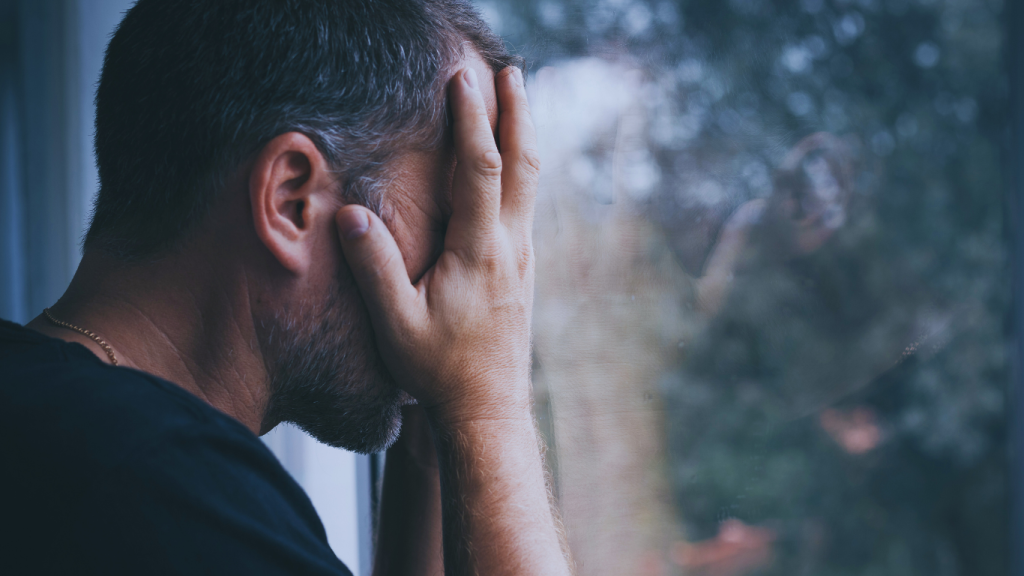
These are a few definitions of suffering that I found relevant whilst writing a bit about how I see people present in various states of ‘suffering.’
I’ve wondered how much of their distress is compounded by factors they can address yet have been unable to. After all, no one can enjoy living in a constant state of anguish and plight.
Over the years, the hundreds and thousands of people who have walked through the door and shared their stories with me have shown a few very distinct patterns. I’m sharing them in the hope of providing different perspectives and mindsets to consider, with the objective of relieving distress and the ‘suffering.’
As in most dynamics, the nature of the therapeutic relationship, the mutual trust and respect, plays a far more significant role than one would imagine.
In many ancient traditions, listening and supporting people in times of need and discomfort has proved to be cathartic and healing for many, even when medical interventions have not been as successful. The importance of connection in a safe, respectful and kind manner helps people recognise their purpose and agency, rewiring their immune systems and propelling them towards betterment.
The unexpectedness of an event, illness, loss or hardship can often present as senseless and cruel. It can send many into spirals of ‘why me’ and ‘what have I done wrong’ types of punitive thought processes. These types of thoughts can create cycles of anhedonia, lack of motivation and a feeling of hopelessness that can seem all-consuming and overwhelming.
Breaking these cycles of rumination, despair and aimlessness can enable people to feel less lonely and identify ways and means to find a sense of purpose from their pain. Many find going out in nature really grounding, especially if they are using their hands and feet to connect to nature. The sense of belonging, the understanding that their plight is not a punishment and they are still capable of doing things that give them joy and hope, not only transforms their state of mind but also provides them with the initiative to make their experience meaningful.
Sharing our stories from the perspective of what we have gained, changed and learnt through some of the most gruelling life experiences has a far greater impact on healing and growth (through every aspect of our being). The storytelling provides access for catharsis through expression of emotions one might not have tapped into, establishes connection and hence mitigates the sense of isolation that exacerbates the sense of suffering, and provides purpose and agency that leads to the cognitive restructuring that opens doors to growth and discovery of one’s self. People learn and appreciate the value of wellbeing and time and develop a richer and more meaningful view of life.
Studies and traditional narratives supporting healing and transforming suffering through connection gleaned from the hardships we face are in abundance, yet we still do not have hubs or centres where we could facilitate ‘storytelling circles of healing and transformation.’
That would be a dream and hope to strive for.